 Image 1 of 5
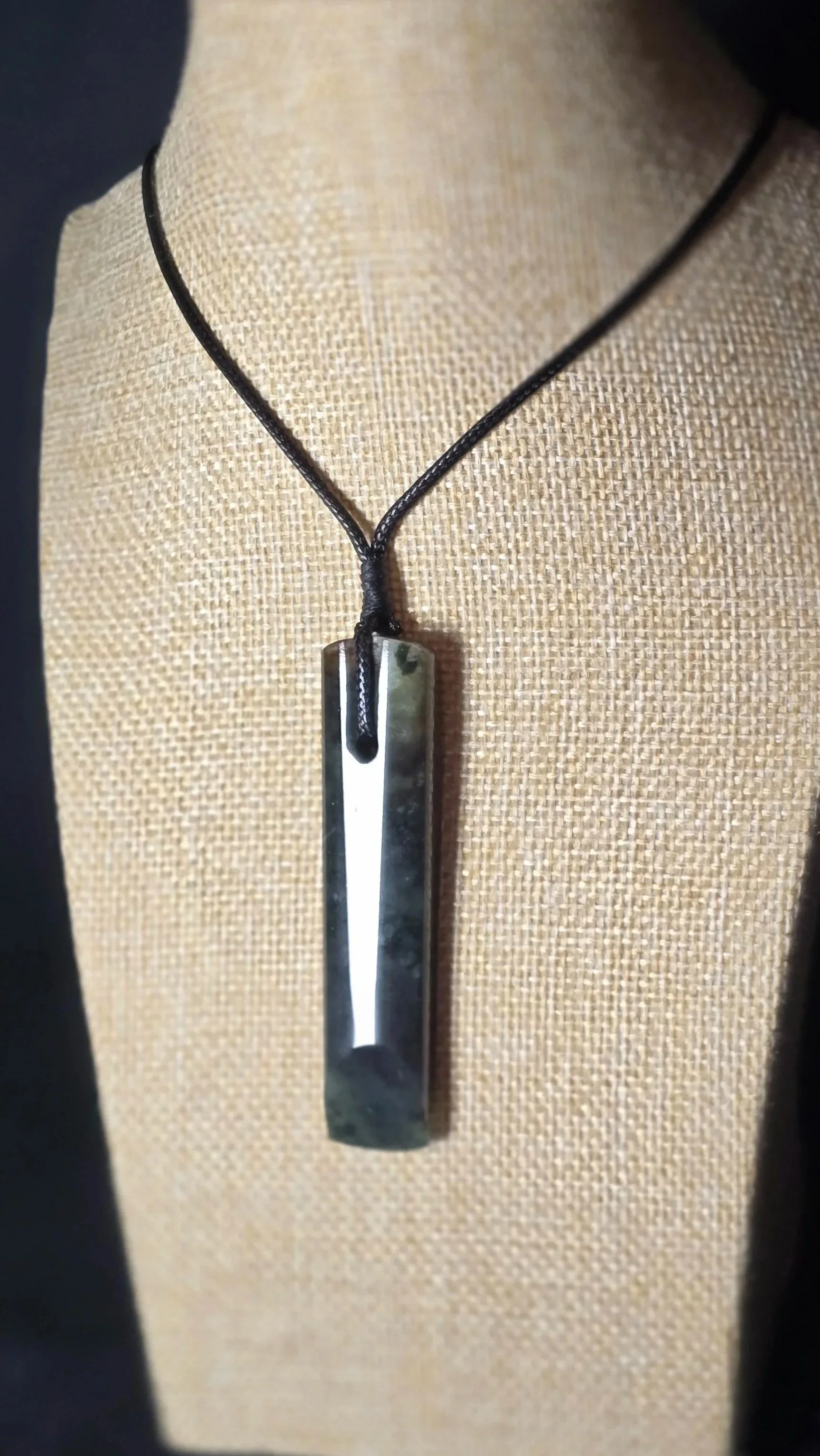 Image 2 of 5
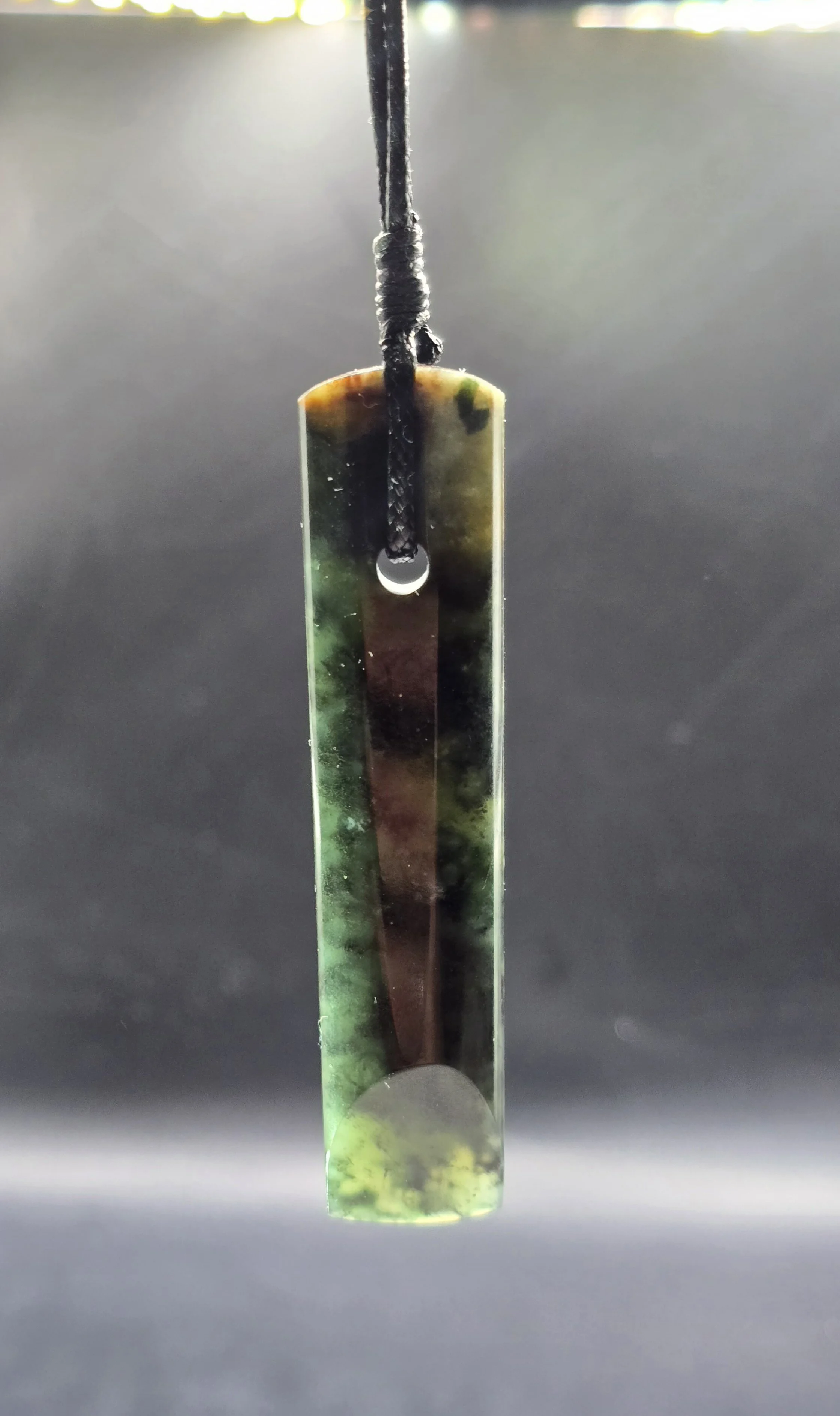 Image 3 of 5
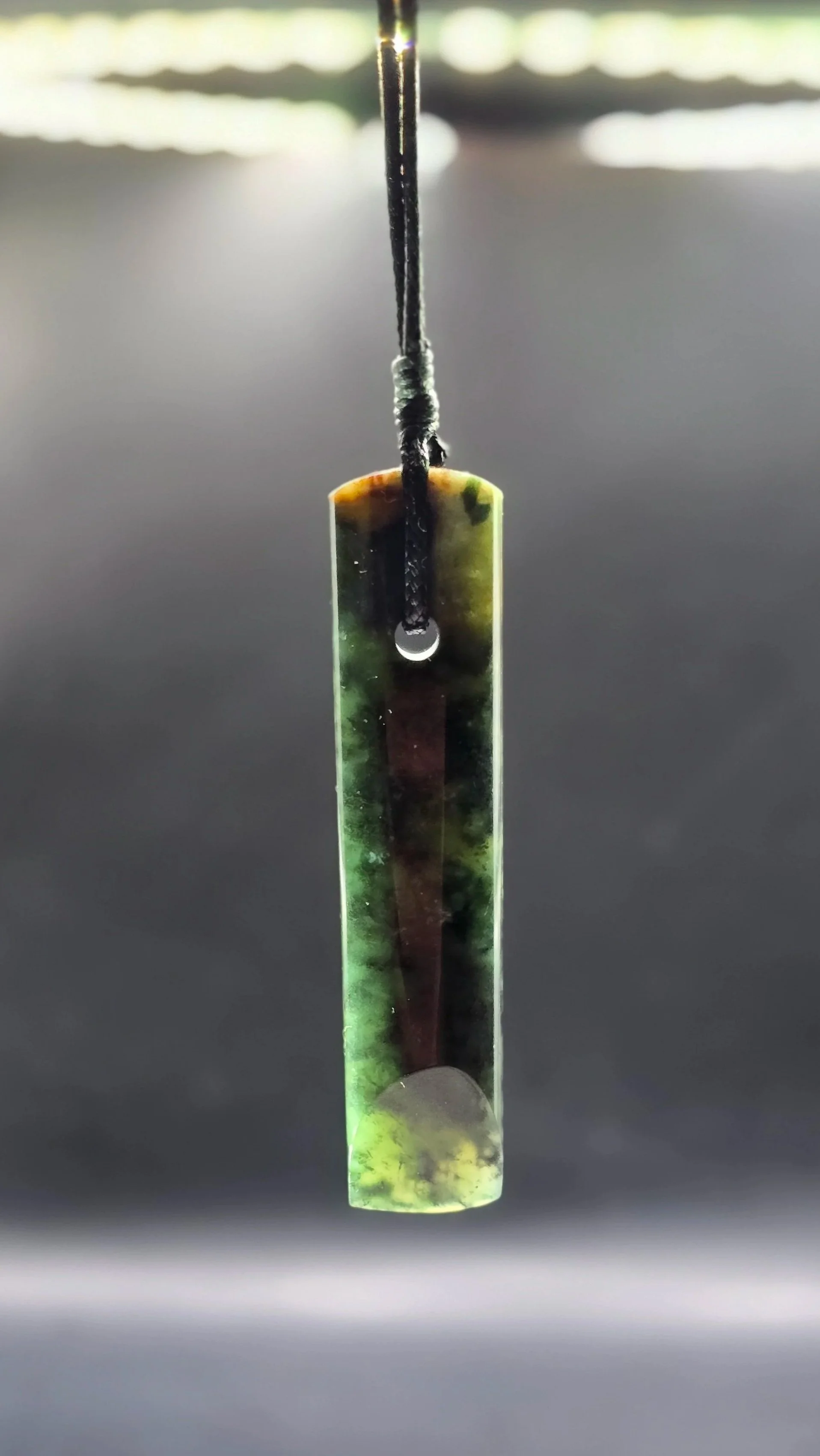 Image 4 of 5
![20260510_103103[1].jpg](https://images.squarespace-cdn.com/content/v1/69a5d3710bca796189d655a4/6668ea44-7377-479f-9ee7-7acb2a507c78/20260510_103103%5B1%5D.jpg) Image 5 of 5
Image 5 of 5
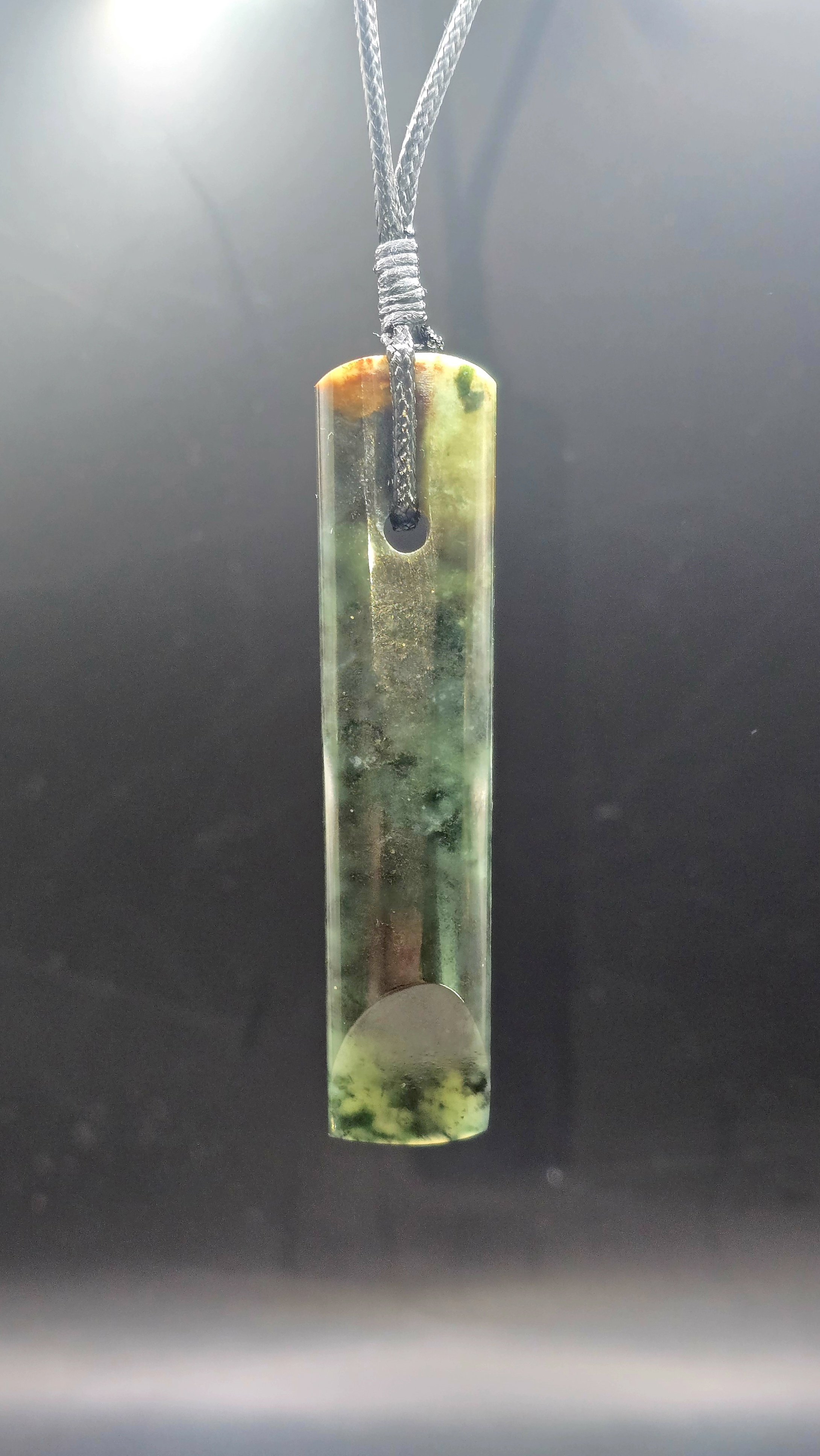
This hand carved Roimata/ Toki was made from a single piece of Pounamu (NZ West Coast Jade) which was acquired from Bonz&Stonz in Hokitika New Zealand. The pendant is small, at 7cm tall and 1.5cm wide. It is bound via a black 1.5mm cord.
It was carved by New Zealand artist, Phillip Blumenthal.
A Hei Toki is a traditional Māori pendant shaped like an adze (toki), a tool once used for carving waka (canoes), houses, and weapons; it symbolizes strength, courage, authority, leadership, and determination, reflecting both practical skill and spiritual power (mana). A Roimata (also called a teardrop shape) is a long, gently curved pendant resembling a drop of water or tear, symbolizing healing, comfort, emotional connection, and the release of grief — often worn to provide support during times of loss or transition.
When these two shapes are combined into a single pendant, the meaning blends strength with compassion: it represents resilience guided by empathy, the balance of power and emotional wisdom, and the idea that true leadership and inner strength are softened and strengthened by understanding, healing, and aroha (love).
This hand carved Roimata/ Toki was made from a single piece of Pounamu (NZ West Coast Jade) which was acquired from Bonz&Stonz in Hokitika New Zealand. The pendant is small, at 7cm tall and 1.5cm wide. It is bound via a black 1.5mm cord.
It was carved by New Zealand artist, Phillip Blumenthal.
A Hei Toki is a traditional Māori pendant shaped like an adze (toki), a tool once used for carving waka (canoes), houses, and weapons; it symbolizes strength, courage, authority, leadership, and determination, reflecting both practical skill and spiritual power (mana). A Roimata (also called a teardrop shape) is a long, gently curved pendant resembling a drop of water or tear, symbolizing healing, comfort, emotional connection, and the release of grief — often worn to provide support during times of loss or transition.
When these two shapes are combined into a single pendant, the meaning blends strength with compassion: it represents resilience guided by empathy, the balance of power and emotional wisdom, and the idea that true leadership and inner strength are softened and strengthened by understanding, healing, and aroha (love).