This Roimata (teardrop) amulet is carved from a piece of Kahurangi Pounamu (Jade) which was sourced from the sacred Arahura River. This was acquired ethically, passed on to the carver by Ngati Waewae hapu.
The Roimata was carved at the FVH studio in Niederbayern, Germany, by New Zealander Philip Blumenthal.
The Roimata shape is an important symbol in Māori culture that represents tears, healing, compassion, and emotional strength.
The Roimata also represents resilience and the ability to grow through difficult experiences. In Māori tradition, carved symbols often carry deep spiritual and cultural significance, connecting people to their ancestors, identity, and whakapapa, which means genealogy or lineage. Roimata pendants are traditionally carved from materials such as pounamu (jade or serpentine), bone, or wood, and are treasured as taonga, meaning valued possessions that hold personal and cultural meaning.
This Roimata (teardrop) amulet is carved from a piece of Kahurangi Pounamu (Jade) which was sourced from the sacred Arahura River. This was acquired ethically, passed on to the carver by Ngati Waewae hapu.
The Roimata was carved at the FVH studio in Niederbayern, Germany, by New Zealander Philip Blumenthal.
The Roimata shape is an important symbol in Māori culture that represents tears, healing, compassion, and emotional strength.
The Roimata also represents resilience and the ability to grow through difficult experiences. In Māori tradition, carved symbols often carry deep spiritual and cultural significance, connecting people to their ancestors, identity, and whakapapa, which means genealogy or lineage. Roimata pendants are traditionally carved from materials such as pounamu (jade or serpentine), bone, or wood, and are treasured as taonga, meaning valued possessions that hold personal and cultural meaning.
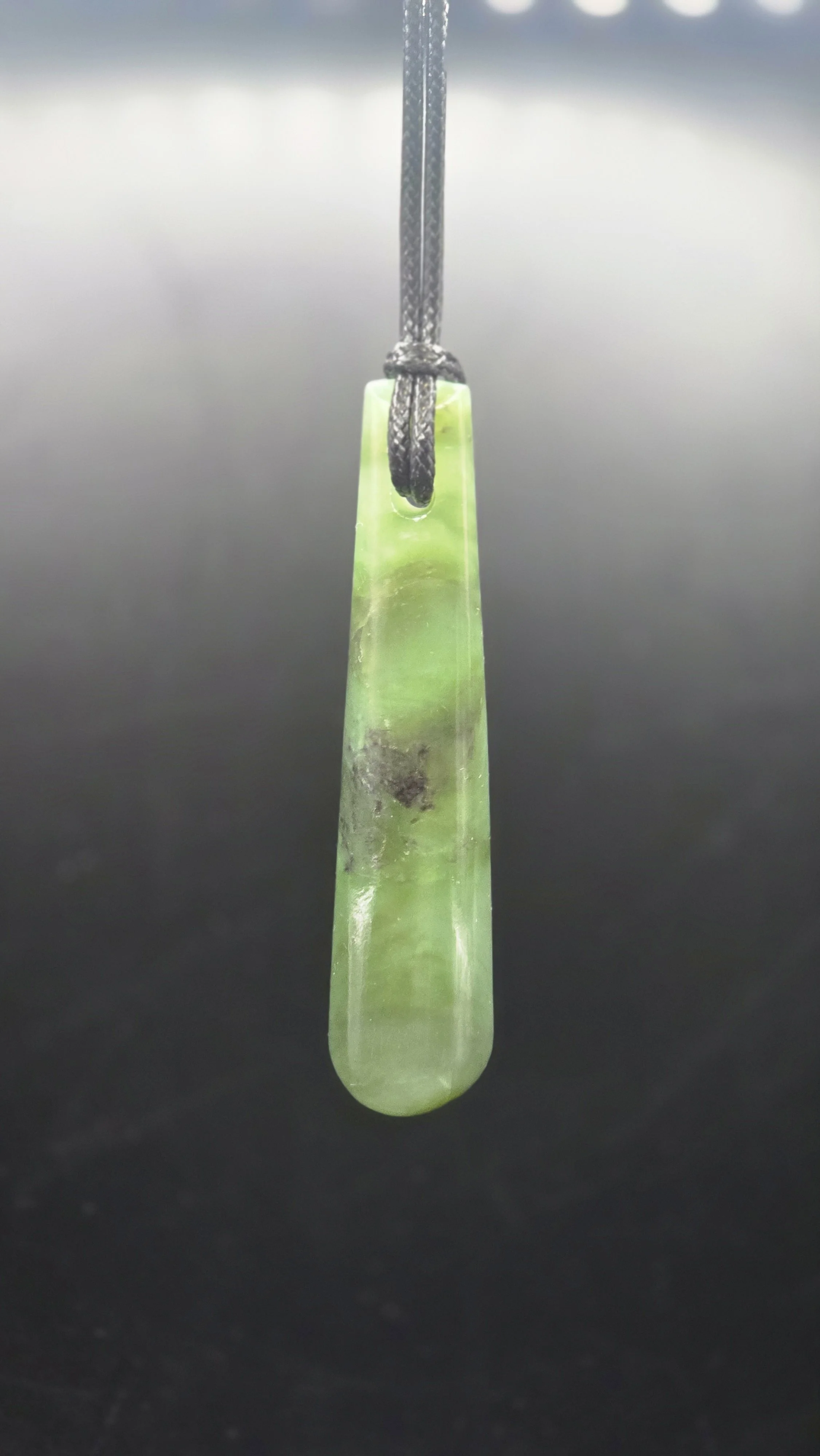 Image 1 of 6
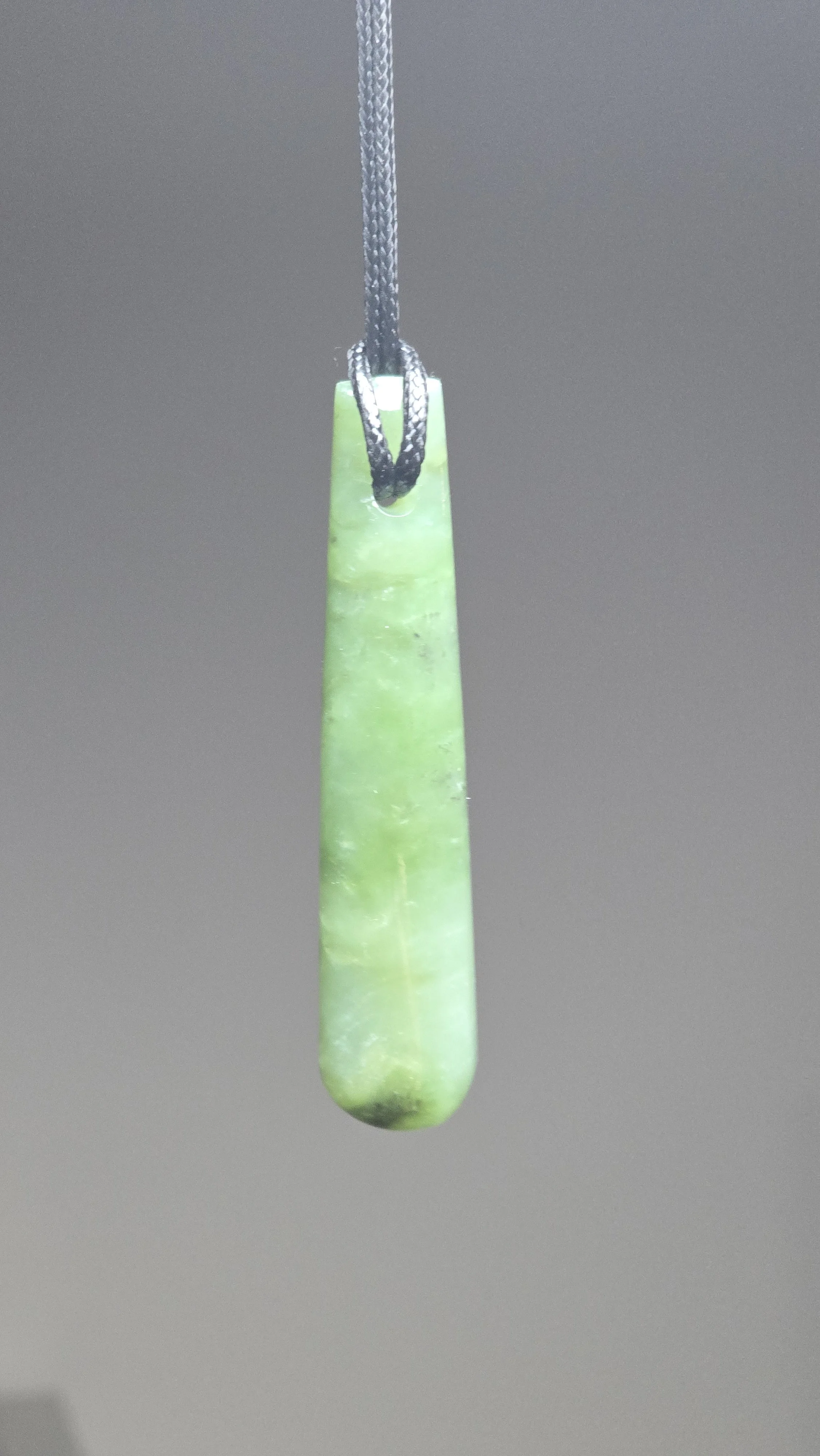 Image 2 of 6
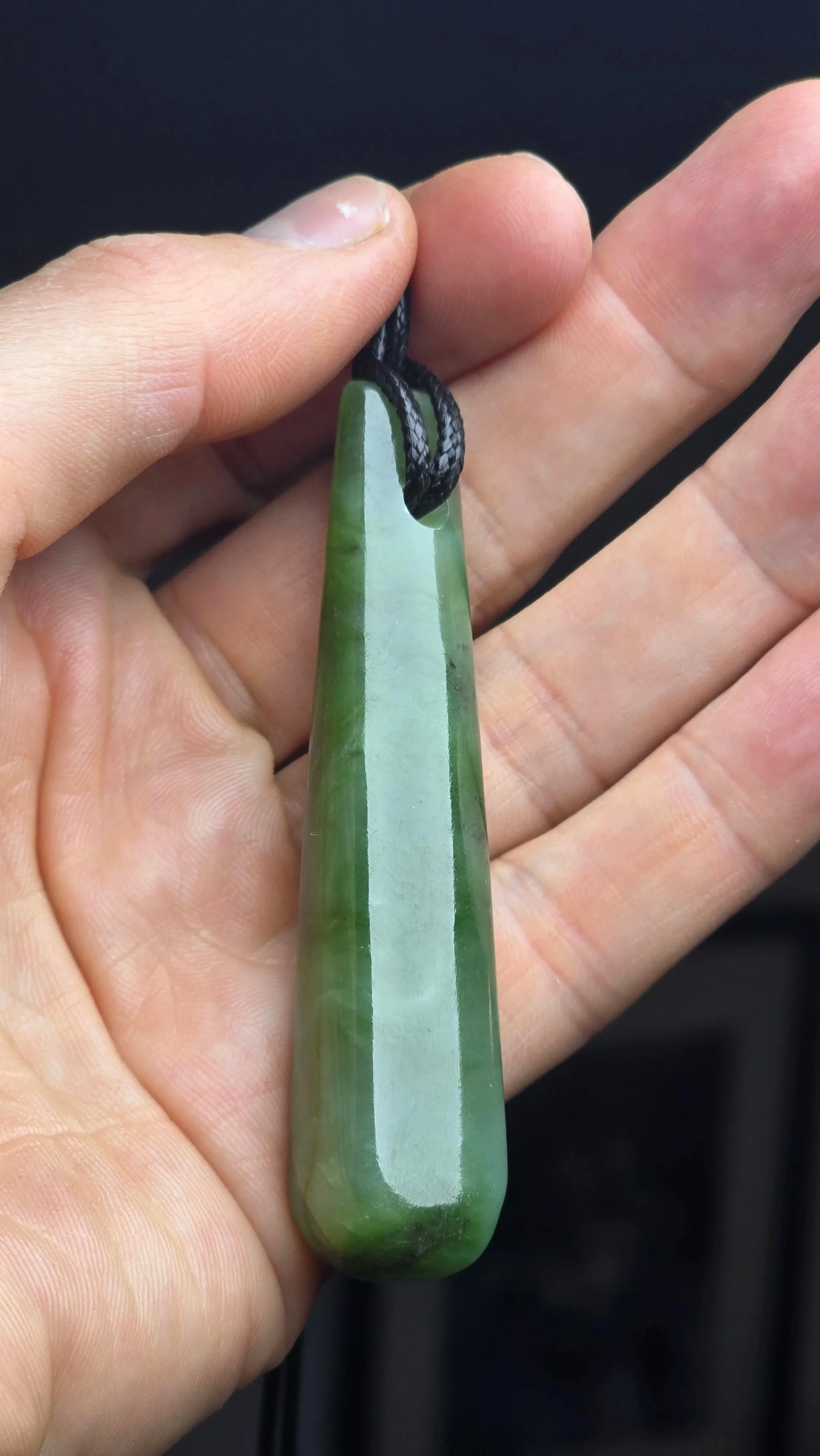 Image 3 of 6
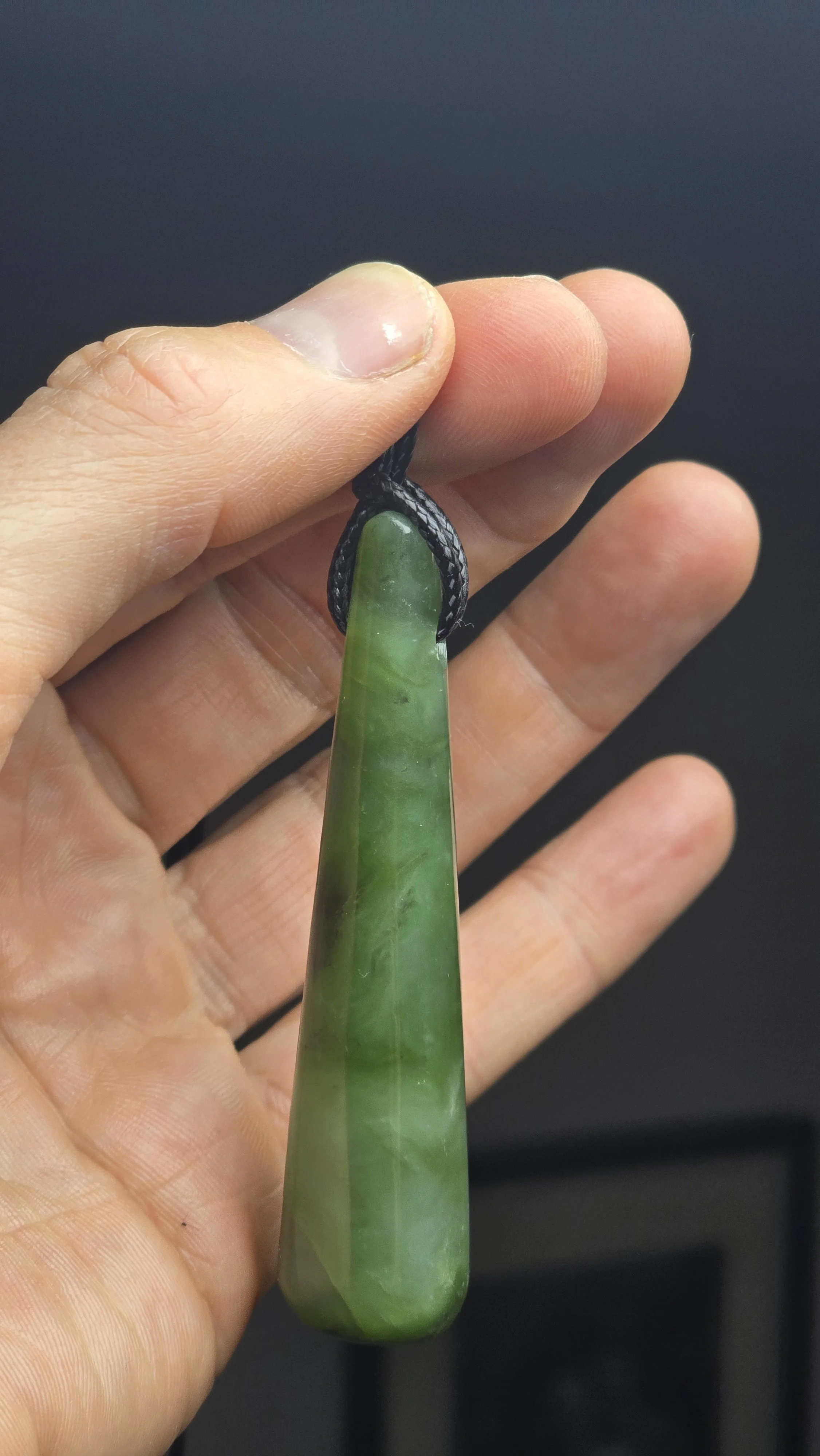 Image 4 of 6
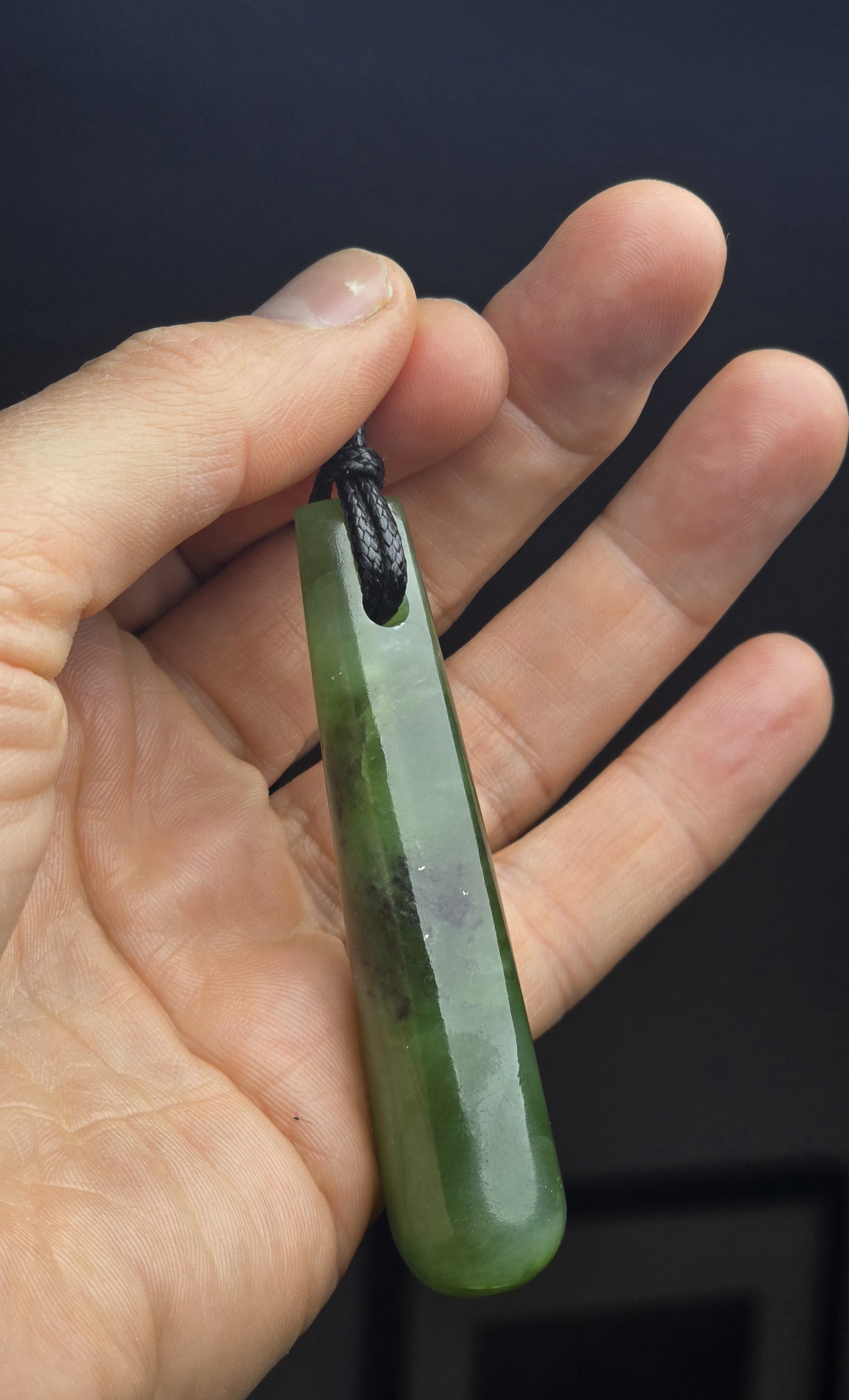 Image 5 of 6
![20260510_102644[1].jpg](https://images.squarespace-cdn.com/content/v1/69a5d3710bca796189d655a4/175a53dc-80ce-4af3-926f-40855b8c9f3f/20260510_102644%5B1%5D.jpg) Image 6 of 6
Image 6 of 6